
Urethral stricture is a condition in which the urethra becomes narrow due to scar tissue, making it difficult for urine to pass. Common urethral stricture symptoms include weak urine flow, straining while urinating, burning sensation, frequent urinary infections, and incomplete bladder emptying. If ignored, it can lead to serious bladder and kidney problems. Timely diagnosis is very important.Effective urethral stricture treatment depends on the severity of the blockage. Options range from minimally invasive procedures to advanced urethral stricture surgery for long-term relief. Dr. Vipin Sharma, Urology Doctor in Indore, offers expert evaluation and advanced surgical care to ensure safe, effective, and lasting results for patients.
Many patients ask, what is urethral stricture? Urethral stricture is a medical condition in which the urethra, the tube that carries urine from the bladder out of the body, becomes abnormally narrow due to the formation of scar tissue. This narrowing restricts the normal flow of urine and can lead to symptoms such as weak urine stream, difficulty in passing urine, pain, burning sensation, or repeated urinary infections.Scar tissue may develop after injury to the urethra, pelvic trauma, infections, previous urinary surgeries, or long-term catheter use. In some cases, inflammation from certain skin conditions can also lead to scarring.
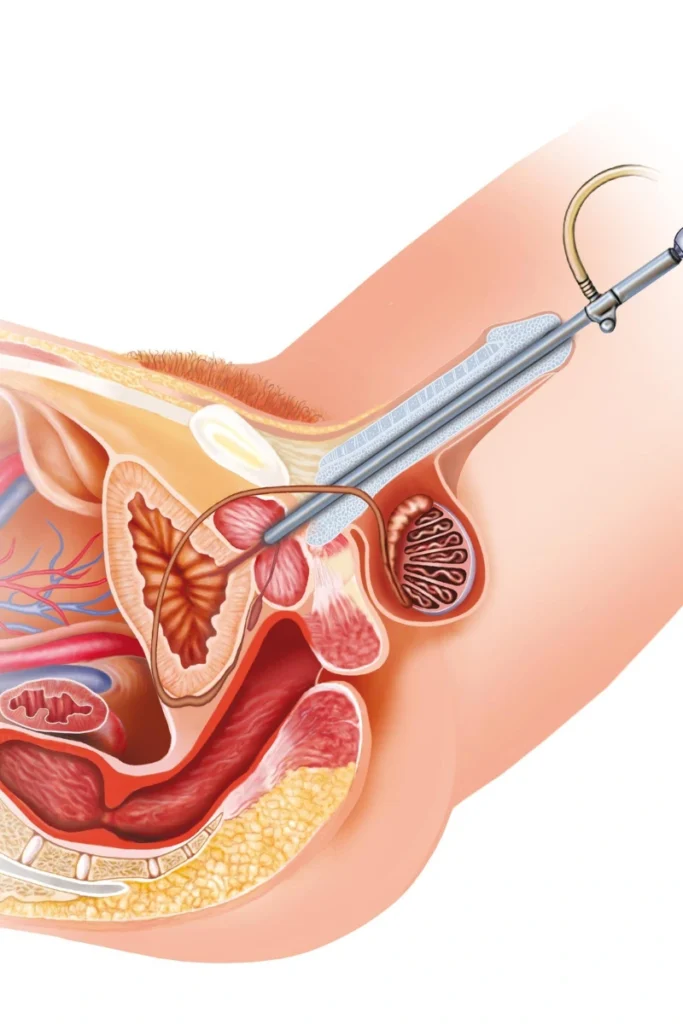
Urethral stricture in males is more common because the male urethra is longer and passes through the prostate and penis, making it more vulnerable to injury and infection. On the other hand, urethral stricture in females is relatively rare due to the shorter length of the female urethra. However, when it occurs in women, it may be overlooked or misdiagnosed as a simple urinary infection. Early diagnosis and proper treatment are important to prevent complications affecting the bladder and kidneys.
The urethral stricture symptoms usually start gradually and may become worse over time. The most common signs include slow or weak urine flow and pain or burning during urination. Patients may also experience difficulty starting urine, straining, or feeling that the bladder is not completely empty. If left untreated, it can lead to infections and other urinary complications.
In men, urethral stricture can cause some specific symptoms. These may include spraying or split urine stream, blood in semen, and pain in the testicles. Some men may also notice decreased urine flow along with discomfort during ejaculation.
Urethral stricture female symptoms are less common but can still be troubling. Women may experience frequent urinary tract infections (UTIs), sudden urgency to pass urine, or even urine leakage (incontinence). Pain localized to the pelvic area and difficulty in passing urine may also be present. Early diagnosis helps prevent long-term complications.
There are several urethral stricture causes, most of which lead to scar tissue formation inside the urethra. This scar tissue narrows the urinary passage and blocks the normal flow of urine.
Urethral stricture is more common in males because the male urethra is longer and more exposed to injury and infection. In females, it is less common due to the shorter urethra. However, it is often underdiagnosed in women because symptoms may be mistaken for simple urinary infections or bladder problems. Early evaluation is important in both genders.
Proper urethral stricture diagnosis is important to understand the severity and exact location of the narrowing. Doctors use several tests to confirm a stricture and plan the right treatment.
The choice of urethral stricture treatment depends on the severity, length, and location of the narrowing. Mild cases may be managed with minimally invasive procedures, while longer or recurrent strictures may require surgery for permanent relief.
Urethral stricture surgery recovery depends on the type of urethral stricture surgery performed and the length of the stricture. Most patients recover well with proper care and follow-up. After surgery, a urinary catheter is usually placed for about 2–3 weeks to allow the urethra to heal properly. Once the catheter is removed, urination gradually becomes smoother and stronger. Patients are advised to avoid heavy lifting and strenuous activities for 4–6 weeks to prevent pressure on the surgical area. Follow-up tests such as urine flow studies or imaging may be done to ensure proper healing. For better recovery, drink plenty of water, maintain hygiene to prevent infection, and attend regular check-ups as advised by your urologist.
Struggling with weak urine flow, pain, or repeated infections? Don’t ignore the signs of urethral stricture. Consult Dr. Vipin Sharma, one of the best stricture urethra doctors in Indore, for expert diagnosis and advanced treatment options. With specialized experience in reconstructive surgery and personalized care, he ensures safe procedures and long-term relief. Book your appointment today and take the first step toward comfortable and healthy urination.
The urethral stricture symptoms usually start gradually and may become worse over time. If left untreated, it can lead to infections and other urinary complications.



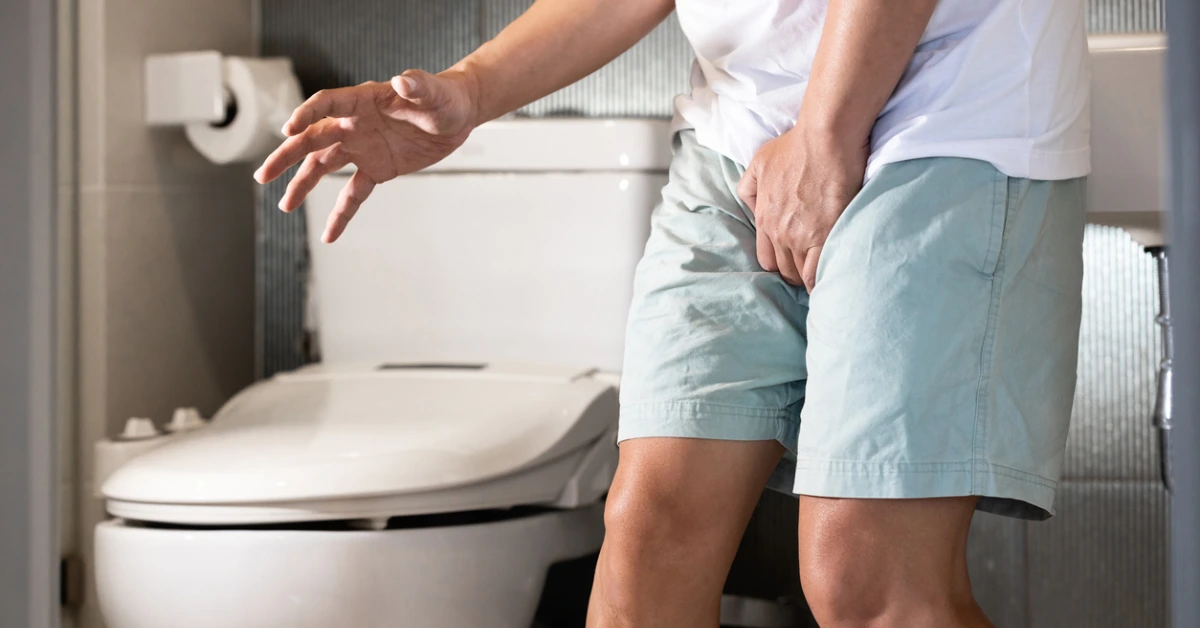
The duration of urethral stricture surgery depends on the type and complexity of the stricture. Simple procedures like internal urethrotomy may take about 30–60 minutes. However, more advanced surgeries such as urethroplasty can take 2–4 hours, especially if reconstruction or grafting is required. The exact time varies based on the length and location of the narrowing. Your urologist will explain the expected duration before surgery.
The success rate depends on the procedure performed. Minimally invasive treatments like dilation or urethrotomy may provide temporary relief, but recurrence is possible. In contrast, urethroplasty (reconstructive surgery) has a high long-term success rate, often above 85–90% in experienced hands. Proper follow-up and post-surgery care further improve outcomes and reduce the chances of recurrence.
No, urethral stricture does not heal on its own. The condition occurs due to scar tissue formation, and scar tissue does not disappear without medical treatment. In fact, if left untreated, the narrowing can worsen over time and lead to complications such as urinary retention, repeated infections, bladder damage, or even kidney problems. Early diagnosis and timely treatment are important to prevent serious issues.
Urethral stricture surgery is performed under anesthesia, so patients do not feel pain during the procedure. After surgery, mild to moderate discomfort may be present, especially while the catheter is in place. Pain is usually manageable with prescribed medications. Most patients are able to tolerate the recovery period well and gradually return to normal activities as advised by their doctor.
Urethral stricture is more common in males because the male urethra is longer and more prone to injury. In females, it is rare but can still cause symptoms such as difficulty in urination, frequent urinary infections, urgency, or pelvic pain. In women, the condition is sometimes misdiagnosed as a simple urinary tract infection. Proper evaluation is important to differentiate and treat it correctly.
The cost of urethral stricture treatment depends on the severity, length, and location of the stricture, as well as the type of procedure required. Simple treatments like dilation or internal urethrotomy may cost less, while advanced urethroplasty surgery may vary based on complexity and hospital stay. For an accurate estimate, it is best to consult Dr. Vipin Sharma for proper evaluation and personalized treatment planning.