
Kidney stone pain can be sudden, severe, and unbearable, often stopping your daily life completely. Choosing the right kidney stone treatment doctor like Dr. Vipin Sharma ensures accurate diagnosis and long-term relief, not just temporary pain control. With advanced options like kidney stone treatment and kidney stone laser treatment, expert care can help you recover safely and prevent recurrence.
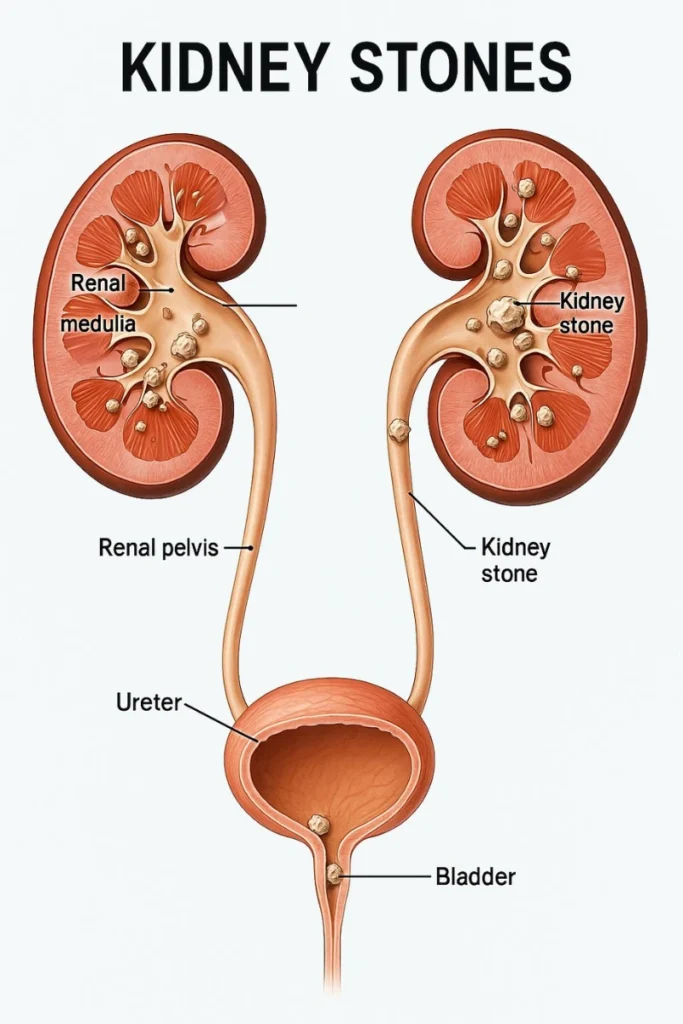
Kidney stones are hard deposits made of minerals and salts that form inside the kidneys. They develop when urine becomes concentrated, allowing minerals to stick together and form crystals.
Common types of kidney stones include:
If you are wondering what is the treatment for kidney stones, the answer depends on the size, type, and location of the stone, as well as the patient’s symptoms and overall health.
The urethral stricture symptoms usually start gradually and may become worse over time. The most common signs include slow or weak urine flow and pain or burning during urination. Patients may also experience difficulty starting urine, straining, or feeling that the bladder is not completely empty. If left untreated, it can lead to infections and other urinary complications.
In men, urethral stricture can cause some specific symptoms. These may include spraying or split urine stream, blood in semen, and pain in the testicles. Some men may also notice decreased urine flow along with discomfort during ejaculation.
Urethral stricture female symptoms are less common but can still be troubling. Women may experience frequent urinary tract infections (UTIs), sudden urgency to pass urine, or even urine leakage (incontinence). Pain localized to the pelvic area and difficulty in passing urine may also be present. Early diagnosis helps prevent long-term complications.
When it comes to what is the treatment for kidney stones, options vary based on the size, location and symptoms of the stone. Treatment may be non-surgical for smaller stones or involve procedures for stones that won’t pass on their own.
Non-surgical approaches focus on helping stones pass naturally or breaking them without incisions:
Laser treatment uses focused laser energy to break the stone into tiny pieces that either pass naturally or are removed with a scope. Common laser procedures include ureteroscopy with laser lithotripsy and Retrograde Intrarenal Surgery (RIRS), both of which access the stone through the urinary tract without large incisions.
Is laser treatment for kidney stones painful? Many patients worry about pain, but modern kidney stone laser treatment is performed under anesthesia or sedation, so you won’t feel pain during the procedure. Afterward, some mild discomfort or urinary irritation may occur as stone fragments pass, but this is usually far less intense than waiting for large stones to pass on their own. Most people recover quickly and return to normal activities in a few days.
Recognizing kidney stones symptoms early can help you seek timely care and avoid complications. Common signs include:

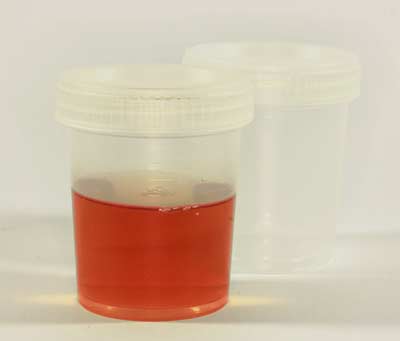
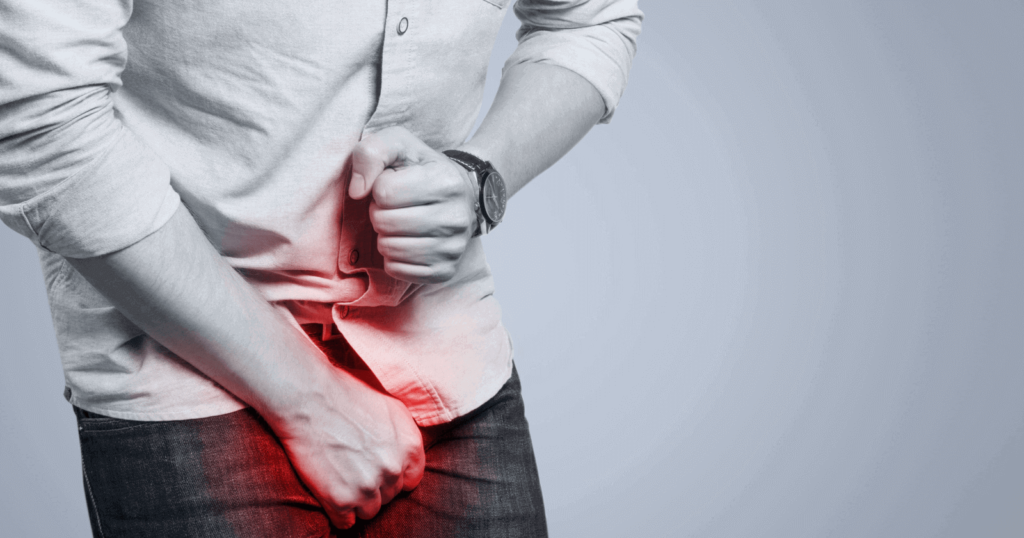


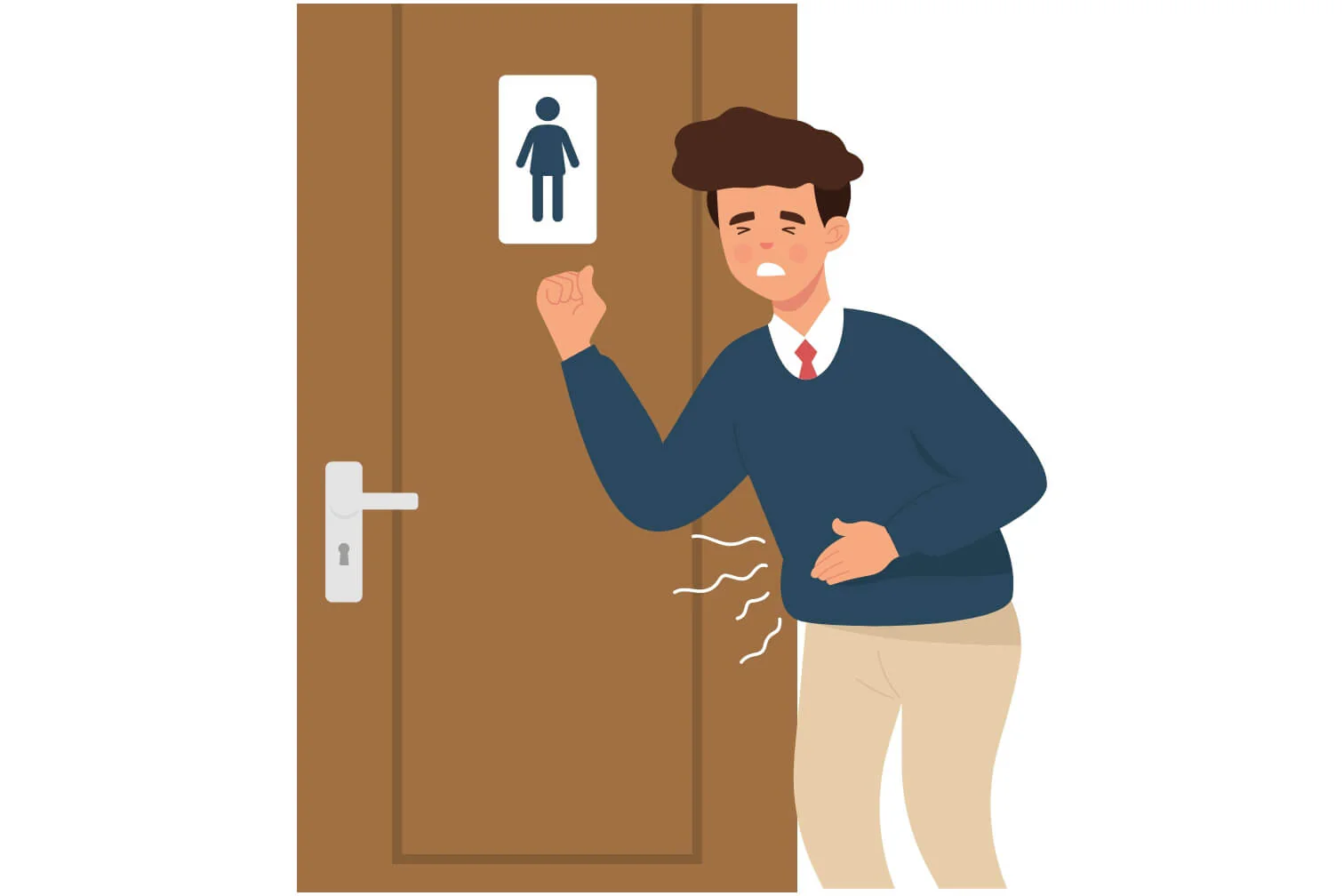
If you notice these kidney stones symptoms, don’t ignore them. Early evaluation makes kidney stones symptoms treatment easier and more effective.
If you’re searching for a kidney stone treatment hospital near me or a kidney stone treatment clinic near me in Indore, choosing an experienced specialist can make all the difference in your recovery and long-term health.
Dr. Vipin Sharma is a highly recommended kidney stone treatment doctor and urologist based at CARE CHL Hospital on AB Road, near L.I.G Square, Indore. With advanced training in MCh Urology and years of expertise in managing kidney stones and other urinary conditions using modern, minimally invasive techniques, he offers personalized care tailored to your needs.

Recovery depends on the size of the stone and the type of treatment performed. After minimally invasive procedures like kidney stone laser treatment, most patients return to normal activities within 2–5 days. In more complex cases requiring kidney stone treatment surgery, recovery may take 1–2 weeks depending on overall health.
In my practice, I place a ureteral stent when I feel there may be swelling or a risk of blockage after stone removal. The stent helps urine flow smoothly from the kidney to the bladder and supports proper healing. It is temporary and usually removed within a few days to a couple of weeks.
Kidney stone laser treatment usually takes between 30 minutes to 90 minutes, depending on the stone’s size and location. The procedure is done under anesthesia, so patients do not feel pain during the treatment. Most patients are discharged the same day or within 24 hours.
Small stones under 5 mm may pass naturally with medication and increased fluid intake. When stones are larger than 7–8 mm, cause repeated pain, infection, or blockage, I generally recommend procedural treatment such as laser removal or other minimally invasive options.
Choosing the right specialist is important for long-term relief. I believe patients should look for a qualified urologist with advanced training, experience in minimally invasive techniques, and a strong focus on preventing recurrence, not just removing the stone.
Prevention includes drinking adequate water daily, reducing salt intake, limiting excess animal protein, and maintaining a healthy weight. In my practice, I also recommend stone analysis and tailored dietary guidance to reduce the risk of recurrence.
You should consult a urologist if you experience severe back or side pain, blood in urine, recurrent urinary infections, or difficulty passing urine. If symptoms are associated with fever or chills, immediate medical care is necessary. Early consultation helps prevent complications and protects kidney function.